Who is Jesus Christ? Get to Know God

“Jesus Christ.”

You’ve probably heard the Name, or you know Him and have accepted Him as your personal Lord and Savior – but who is Jesus, really? Is He truly the Savior? Is He really the Son of God?

Jesus, the Man

Isaiah 9:6 (NIV) says, “For to us a child is born, to us a son is given, and the government will be on his shoulders. And he will be called Wonderful Counselor, Mighty God, Everlasting Father, Prince of Peace.”

Jesus, as a man, walked here on earth. An article contributed by Probe Ministries to Bible.org proved Jesus’ humanity when historians and ancient literature said He was a revered teacher, He performed miracles, and was crucified during the reign of Tiberius sentenced by Pontius Pilatus.

Jesus became a man like you. He experienced having a family and fellowshipping with others. He experienced being ridiculed, laughed at, mocked, and hurt. Jesus, as a man, experienced the same things you are going through. He understands you.

Jesus, the Savior

Because of sin, the world is headed to eternal death and God knew that. So, He sent His Son to be the Savior of mankind.

“For God so loved the world that he gave his one and only Son, that whoever believes in him shall not perish but have eternal life.” (John 3:16 NIV)

Jesus came to earth to redeem the world from death, condemnation, and eternal judgment brought by another man – Adam’s disobedience and sin.

“Consequently, just as one trespass resulted in condemnation for all people, so also one righteous act resulted in justification and life for all people.” (Romans 5:18 NIV)

No one else in this world can save humanity from sin and eternal death but Jesus Christ Himself. It is not to condemn but to save the world through Him. (John 3:17b)

Jesus, the Lord

Acts 2:36 (NIV) says “Therefore, let all Israel be assured of this: God has made this Jesus, whom you crucified, both Lord and Messiah.”

Jesus is not just fully human, He is also 100% God. When you accepted Jesus in your heart, He also claimed Lordship over your life. Apostle Paul wrote in Galatians 2:20, “My old self has been crucified with Christ. It is no longer I who live, but Christ lives in me. So, I live in this earthly body by trusting in the Son of God, who loved me and gave himself for me.”

Allowing Jesus’ Lordship over you means yielding to God’s will and purposes for your life. Jesus Himself was humble and obedient to his Father in fulfilling His purpose here on earth that resulted in the gift of salvation and righteousness for those who will accept and believe.

Have you surrendered your life to Jesus? Would you submit to His Lordship over you today?

“If you have come to realize that there are still areas in your life that have a reservation from God, you can still make a decision to humble yourself today and accept the gift of God which is eternal life in Christ Jesus our Lord.” (Romans 6:23, NIV)

Are you searching for answers in your walk with God? Would you like to be prayed for? Call the CBN Asia Prayer Center at 8737-0700 so we can pray for you.

3 Self-Care Practices for a Healthier Body, Soul, and Spirit – Beyond Small Talk

Taking care of your overall well-being is integral to being a healthy and productive person.

It enables you to be more productive, it boosts your immune system, enhances your self-esteem, and improves your compassion towards others, says Katherine Hurst of The Law of Attraction in her article What Is Self-Care And Why Is Self-Care Important?.

But then, a lot of people still think that self-care is being selfish and inconsiderate.

In this webisode of Beyond Small Talk, hosts Peter Kairuz, Sonjia Calit, and Zenia Panahon discuss the importance of self-care. They also share tips that you can apply to have a healthier body, soul, and spirit. (https://publishedreporter.com/)

1. Learn to listen to your body

Are the pressures of life crushing you down? Swamped by your daily tasks and cannot function well?

Be sensitive to detect the messages that your body sends to you.

“Self-care is not being selfish, it is being healthy,” Zenia Panahon emphasized.

Can you hear your body groan and complain? It’s okay to take a step back and retreat.

2. Set aside some time for yourself

Stress is everywhere. It is inevitable.

You need to find some time to slow down, clear your thoughts, and get replenished. You may try meditating, take a 10-15 minute walk every day, or clean and declutter your desk.

According to Zenia Panahon, “Self-care routines vary for different people. It still depends on what works for you and what recharges you.”

3. Make a habit of spending time with God.

Dedicate a time for just you and God.

Say a word of prayer, give thanks to Him, and read what He wants to say to you through His Word.

You can come to God in all your brokenness. Allow Him to make you whole and to comfort you while in the midst of your raging sea of stress and negative emotions.

Peter Kairuz says it beautifully, “When God comforts you, it’s all-encompassing. It’s not just your spirit, but your body benefits from that moment with God.”

If you’re suffering from mental illness, Beyond Small Talk is here for you and ready to listen.

Do not hesitate to join our online discussion and share your struggles with us.

You may also call the CBN Asia Prayer Center at 8-737-0-700 and we would love to pray for you.

For more inspiring content and practical tips, catch the next webisodes of Beyond Small Talk every Saturday, at 7:00 PM at The 700 Club Asia Facebook page and YouTube Channel.

3 Ways God Reveals His Nature Through Creation

Nature has a unique way of awakening something within us. It can bring peace to the heart and quiet the mind. Often, when we feel tired or worn out, we long to be in a place where the richness of nature world surrounds us. 

But more than just scenery, nature reveals something greater—the beauty of God. Through creation, we see His glory, power, majesty, and most of all, His love. 

As we recently celebrated Earth Day, now is a good time to reflect on how God uses creation to reveal who He is.

1. God as the Gardener of Our Lives

“I am the true vine, and my Father is the gardener. He cuts off every branch in me that bears no fruit, while every branch that does bear fruit he prunes so that it will be even more fruitful… Remain in me, as I also remain in you… If you remain in me and I in you, you will bear much fruit; apart from me you can do nothing.” (John 15:1–5, NIV) 

To those who love plants, this illustration may resonate deeply. In this passage, Jesus refers to Himself as the vine and God the Father as the gardener. He explains that unfruitful branches are cut off, while fruitful ones are pruned to become even more productive. 

This image applies to our lives as well. Christ is the vine, and we are the branches. Not everything in life is meant to stay—some things may bring more harm than good. God sometimes removes what hinders our growth so that we can become more fruitful. This process may be painful, but it’s ultimately for our benefit. 

Are there areas in your life that need to be pruned? Habits or attitudes like gossip, addiction, or dishonesty? Let God take those away, so the other parts of your life can thrive. Left unaddressed, these things can quietly harm what’s healthy and good. 

At the same time, God nourishes the parts of your life that are meant to flourish. This passage also reminds us to remain in Him. As it says, “No branch can bear fruit by itself.” We were made to be connected to God.

2. God as the Keeper of His Promises

“The rainbow that I have put in the sky will be my sign to you and to every living creature on earth. It will remind you that I will keep this promise forever… Never again will I let floodwaters destroy all life.” (Genesis 9:12–17, CEV) 

Long before rings symbolized love and commitment, God gave humanity the rainbow as a sign of His promise. It served as a lasting reminder of His covenant. 

God made this promise after the great flood. When Noah and his family left the ark, he built an altar, and it pleased the Lord. In response, God made a covenant never to destroy all life with a flood again. 

There’s something beautiful about how God chose a visible sign to help us remember. It’s where the saying comes from—there’s always a rainbow after the rain. This is God’s way of reassuring us that His promises endure. 

In moments of discouragement, that rainbow can serve as a reminder of hope. Just as it appears after a storm, God’s promises remain constant through life’s highs and lows. 

As Scripture reminds us, “God is always at work for the good of everyone who loves Him” (Romans 8:28, CEV).  

His faithfulness is a strong foundation we can depend on.

3. God as the One Who Makes a Way

“Then Moses put out his hand over the sea. And the Lord moved the sea all night by a strong east wind. So the waters were divided. And the people of Israel went through the sea on dry land.” (Exodus 14:21–22, NLV) 

You might know the story of how God parted the sea so His people could escape from danger. It was a powerful moment, one where even the sea obeyed His voice. 

But what’s even more incredible is this: the same God who parted the sea is the one who wants you to know today that He loves you. 

This is the God who makes a way when there seems to be no way. The God you follow hasn’t changed. He can still part the sea of obstacles in your life, calm the storm of your raging emotions, and dry the tears you’ve cried in silence. 

Let Him be the Lord in your life. 

Creation constantly points back to Him. He used the vine to teach us about His care, the rainbow to display His faithfulness, and the parted sea to show us His power and provision. But He didn’t stop there. 

  • Formed the world in six days (Genesis 2:1, NIV) 
  • Appeared through fire in a bush (Exodus 3:2, NIV) 
  • Spoke through a donkey (Numbers 22:28, NIV) 
  • Sent a great fish to remind a man of his calling (Jonah 1:17) 
  • He calmed the storm (Mark 4:39, NIV) 
  • Walked on water (Matthew 14:25, NIV) 
  • Provided for the sparrow (Matthew 6:26, NIV) 
  • Cursed a barren fig tree (Mark 11:14, NIV) 

All of these moments reveal who He is—and they invite us to turn back to Him. 

And the greatest display of His love? When His only Son took the place of sinners. Though innocent, He was treated as guilty. Though King of all, He wore a crown of thorns. 

All of creation leads to one truth: Jesus is the Lord and Savior of the world. 

Choosing to Accept God | Why it Matters

Every day, you are faced with an endless amount of choices. Some are small while some can change the course of your life in an instant.

Are you looking for your purpose in life? Do you wonder what really matters and what’s going to happen after this life?

Today, you can make that decision about God that will change how you view life, death, and eternity.

The Lord and Savior

In Romans 3:23, Paul said, “For everyone has sinned; we all fall short of God’s glorious standard.” In chapter 6 of the same book, he said, “…the wages of sin is death…” (v. 23a)

If everyone sinned and will receive an eternal death, where should we put our hope in?

Here is good news! In Romans 6:23b, it is said that “…the free gift of God is eternal life through Christ Jesus our Lord.”

If you want to be saved from eternal death, you can start with acknowledging Jesus Christ as your Lord and Savior. This is a personal decision you can wholeheartedly accept from Jesus who offers salvation from sin and the consequences of sin.

Make Him the Lord of every area of your life.

“That if you confess with your mouth, “Jesus is Lord,” and believe in your heart that God raised Him from the dead, you will be saved.” (Romans 10:9)

At this point you must be asking, “But why?” Why do you have to make this choice?

This takes you back to the story of Pilate in Matthew 27.

“What shall I do with Jesus?”

Pilate asked the same question when he faced Jesus 2,000 years ago.

During that time, Jesus was betrayed by Judas and arrested by Roman soldiers. He was then facing Pilate who thinks he holds Jesus’ fate in his hands.

Sitting on the judge’s seat, Pilate asked a question that caused everyone to stop and think.

“…What shall I do with Jesus who is called Christ?” (Matthew 27:22)

It is uncertain whether Pilate fully grasped the magnitude of his own question, nor understood that he was making a decision that would affect his soul for all eternity. The immediate answer that came from the people was to crucify Jesus and that is exactly what happened.

Today, you are faced with the same question. What are you going to do with Jesus? Will you accept Him as your Lord and Savior? Or you will reject Him?

You are free to choose

Path of pleasures or path of righteousness? Heaven or hell? Eternal life or eternal death? Jesus Christ or the world?

In making this decision, there is no middle ground. Although God has given you free will and the freedom to choose, there are consequences you cannot overpower.

The Word of God made it clear that accepting or rejecting Jesus as Lord and Savior have eternal consequence.

“So everyone who acknowledges me before men, I also will acknowledge before my Father who is in heaven, but whoever denies me before men, I also will deny before my Father who is in heaven.” (Matthew 10:32-33)

Wherever you are right now, know that God sees and hears you. He is simply waiting for you to make your life-changing decision today:

What shall you do with Jesus? Do you want to accept Him in your life as your Lord and Savior?

Got questions? the CBN Asia Prayer Center is here to guide you and pray for you! Feel free to call us at 8737-0700 and start your walk with God now.

5 Lessons We Can Learn from Bible Characters During Crisis

Every July, the Philippines observes National Disaster Consciousness Month to raise awareness and encourage preparedness in the face of calamities.

While emergency kits, evacuation plans, and weather alerts are vital, spiritual readiness is just as important. The Bible is rich with stories of people who faced storms—literal and figurative—and came through with greater faith. Their stories show us how to respond not just with action, but with trust in God.

Here are five powerful lessons from Bible heroes that can guide us in times of crisis:

1. Noah: Obey even when it doesn’t make sense

God told Noah to build an ark (Genesis 6:13-22, NIV) because a great flood was coming, even though there was no visible sign of it. People mocked him, but Noah obeyed faithfully. His story teaches us to take God’s warnings seriously and act with urgency, even when others don’t understand.

Be ready. Obedience to God’s instruction can protect you and the people around you.

“He replied, ‘Blessed rather are those who hear the word of God and obey it.’” Luke 11:28, NIV

2. Joseph: Plan in times of plenty

Joseph’s interpretation of Pharaoh’s dream (Genesis 41, NIV) led to a nationwide strategy to store food before a severe famine hit. Because of his wisdom and God-given gift to interpret dreams, Egypt and neighboring nations survived the crisis.

Planning ahead, even when things seem fine, is an act of wisdom and stewardship.

“The plans of the diligent lead to profit as surely as haste leads to poverty.” Proverbs 21:5, NIV

3. Esther: Courage to speak up during crisis

Esther had to risk her life to speak to the king on behalf of her people (Esther 4, NIV). She prayed, fasted, and then took a bold step, showing that crisis can be a divine calling to lead and act.

Sometimes, you are placed in a position not for comfort, but for purpose.

“For the Spirit God gave us does not make us timid, but gives us power, love and self-discipline.” Timothy 1:7, NIV

4. Elijah: Rest and listen in times of burnout

After confronting the prophets of Baal, Elijah fled in fear and exhaustion (1 Kings 19, NIV). Instead of rebuking him, God let him rest, fed him, and then spoke in a gentle whisper, reminding us that restoration is part of survival.

Even spiritual giants need rest. During times of crisis, don’t forget to care for your physical and mental health.

“The Lord replied, ‘My Presence will go with you, and I will give you rest.’” Exodus 33:14, NIV

5. Jesus: Peace in the middle of the storm

In the midst of a raging storm, Jesus slept (Matthew 8, NIV). His calm presence worried the disciples, but He reminded them to have faith. With just a word, He calmed the wind and waves.

God is never shaken by our storms. When He is in your boat, you can rest too.

“God is our refuge and strength, an ever-present help in trouble. Therefore we will not fear, though the earth give way and the mountains fall into the heart of the sea.” Mark 4:40, NIV

Emergencies doesn’t just test our preparedness, they reveal the state of our faith. This National Disaster Consciousness Month, let’s be reminded that preparedness goes hand in hand with prayer, planning with wisdom, and courage with trust in God. Just like Noah, Joseph, Esther, Elijah, and Jesus, we can face any crisis—not with fear, but with faith.

As you learn from the Bible how to stand firm in times of disaster, it’s also important to take action to help others who are vulnerable. Through Operation Blessing, you can extend God’s love to families affected by calamities—bringing them food, clean water, shelter, and hope.

Be God’s hands and feet during emergencies. Give now at https://cbnasia.com/give, or call (+63) 939-921-5543 / (+63) 918-906-7753.

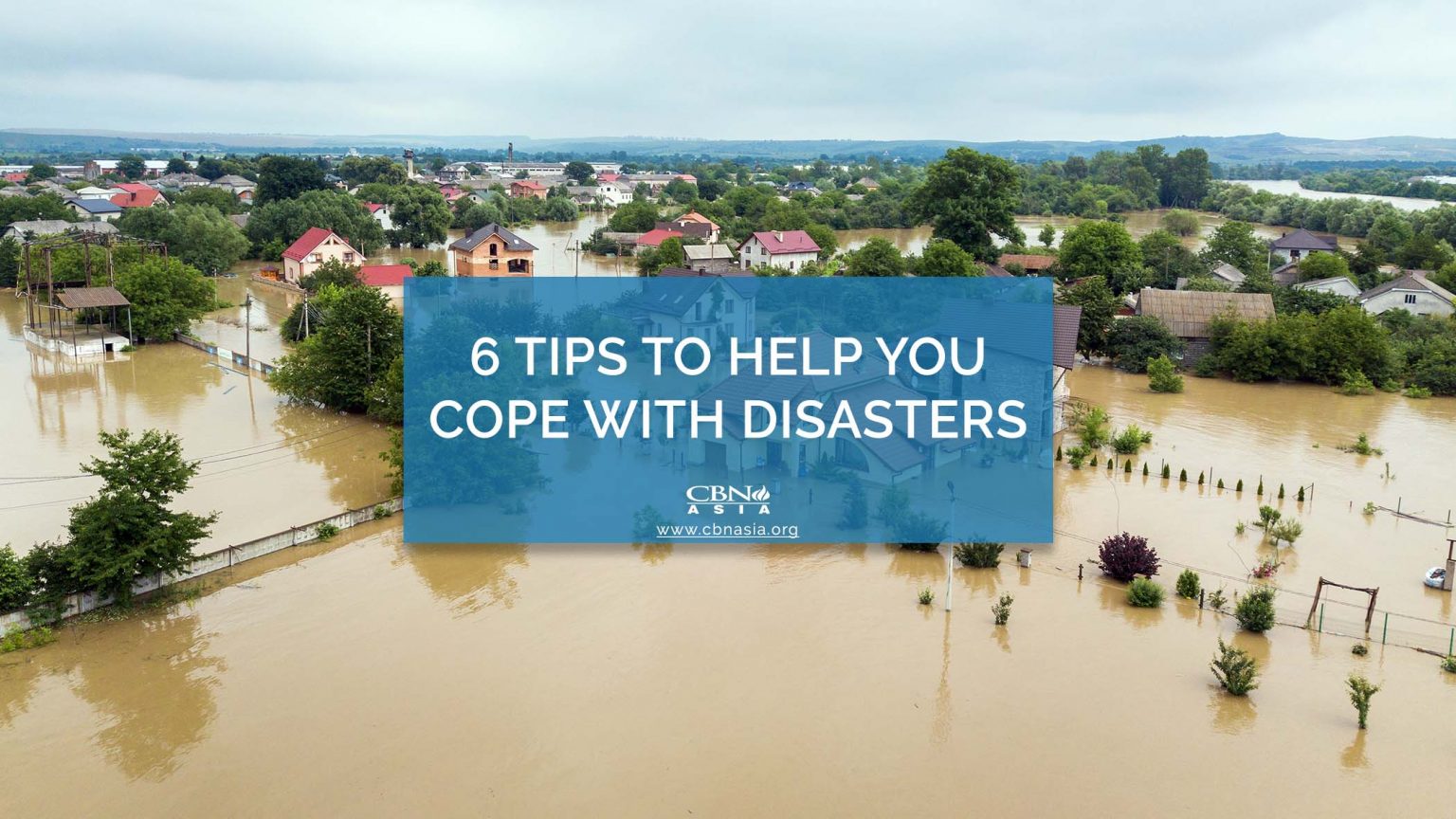
6 Tips to Help You Cope with Disasters

Earthquakes. Volcanic eruptions. Typhoons and floods.

Disasters come and go—but can leave a lasting impact on people’s lives. They either inspire people to be resilient and prepare for the next calamities, or they cause stress and anxiety to those who are severely affected.

If you recently experienced a natural disaster, perhaps you would agree that it can take a heavy toll on people’s physical, mental, emotional, and even spiritual health.

So, how do you cope when disasters strike?

Here are 6 things you can do to help yourself and your family overcome catastrophic events:

How to cope after a disaster

Tip #1: Take care of yourself

It may be hard to prioritize self-care during a disaster, but taking care of yourself is an important part of recovery. A healthy mind and body will help you think clearly and respond effectively to the urgent needs of your family.

So, make sure you continue with your normal routines such as eating healthy, getting enough sleep, and exercising regularly. Doctors at Verywell Mind agrees and emphasized that practicing self-care will help you cope better physically, mentally, and emotionally.

How to cope after a disaster

Tip #2: Limit sources of stress

Isn’t it too tempting to watch the breaking news, to scroll down your newsfeed, and to know every update about an ongoing disaster?

Watching the news can help you stay informed, but too much of it can also bring feelings of hopelessness and stress. One of the most helpful steps you can take following a disaster is to limit your exposure to news.

This could mean lessening your exposure to visual pictures of the recent events and doing other activities that can bring you joy.

How to cope after a disaster

Tip #3: Talk about your feelings and experience

Voicing out your feelings to your family and friends on how this event has affected you can help alleviate stress.

Experts from Psychology Today back this up, sharing that simply talking about your problems and negative feelings can reduce physical or emotional distress and strengthen immune system.

So don’t hesitate to reach out. Encourage one another and build each other up! (1 Thessalonians 5:11).

Tip #4: Seek professional help

Are you extremely disturbed about the recent disasters?

Not wanting everyone to know that you’re struggling is understandable. But if you feel that the stress is too much to bear, here’s something to comfort you: You don’t have to go through everything alone. (hydeparkrecords)

God wants you to seek help from others and trust that they can support you. Jesus could’ve done all the miracles during His time here on earth, yet He chose to empower His disciples to help and heal others (Matthew 10:1). In the same way, God can empower doctors and mental health professionals to help you go through this very challenging season.

How to cope after a disaster

Tip #5: Find ways to help others

You might be thinking, “Why would I help others, I just experienced a disaster!”

It might seem counterintuitive to help others while you are trying to recover from a disaster—yet studies from the Clinical Psychological Science Journal show that helping others can reduce your worries, uncertainties, and stress.

Alleviating other people’s suffering can give you a sense of purpose, a motivation that even amid hardships, you can make a positive impact on the lives of your kababayans. If you have the resources, you can partner with Operation Blessing Foundation Philippines and lend a helping hand to those who are also severely affected by disasters.

How to cope after a disaster

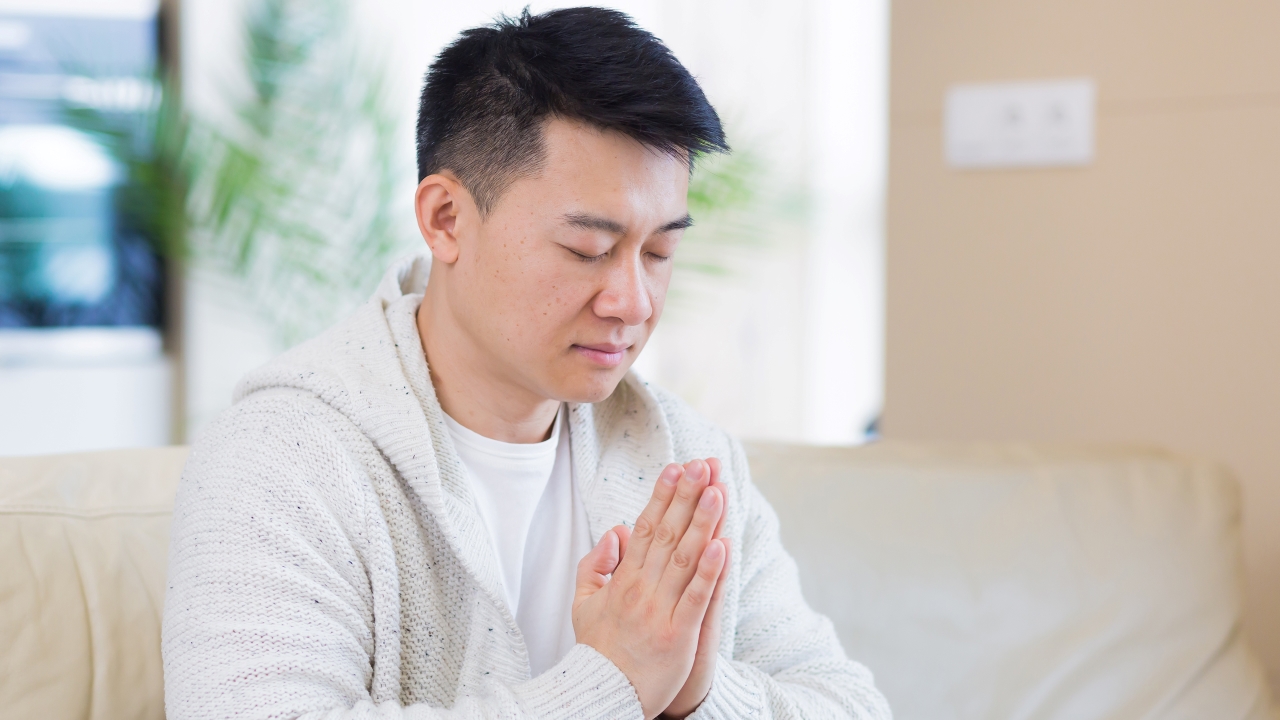
Tip #6: Pray for your family and community

One of the best ways to rise above this disastrous event is to look out for each other, pray for one another, and lean on God as your source of hope and strength.

Matthew 18:20 NIV says, “For where two or three gather in my name, there I am with them.” 

In times like this, coming together in prayer and promoting peace encourage people not to stay in a place of despair. It is an opportunity to know God more and reassure yourself and others that He is your comfort in times of trouble.

“God is our refuge and strength, an ever-present help in trouble.” (Psalm 46:1 NIV)

How to cope after a disaster

Have you been affected by the recent typhoon? Are the heavy rains making you feel overwhelmed or stressed?

We would love to comfort you through prayers. You may reach out to the CBN Asia Prayer Center at 8-737-0700 or send your prayer requests to our Facebook page.

5 Ways to Prevent Road Rage

Have you ever caught yourself yelling at another driver, even when your windows were up? 

It’s easy to get frustrated on the road. Someone cuts you off, traffic doesn’t move, or a driver in front of you won’t stop texting. Before you know it, you’re gripping the wheel too tightly, your heart’s racing, and your thoughts aren’t so godly anymore. 

But here’s the thing: road rage doesn’t just put lives at risk—it also puts your testimony on the line. As followers of Jesus, how you respond behind the wheel matters. So how do you stay calm and keep your cool? 

Here are five simple, Bible-inspired ways to deal with road rage and drive with peace: 

1. Remember who you represent

When you’re behind the wheel, you’re not just another driver—you’re a representative of Jesus. That changes the way you respond to rude or reckless drivers. 

“Whatever you do… do it all for the glory of God.” (1 Corinthians 10:31, NIV) 

Ask yourself, “Will my reaction reflect Jesus?” Whether you’re tempted to yell, tailgate, or throw a glare—pause. Represent Him well. 

2. Pause before you react

While you may feel the need to defend yourself and express your anger, frustration, or even fear, uncontrolled anger could lead to bad decisions. Not every wrong move deserves a response. Pause. Breathe. Let it go. 

“A fool gives full vent to his spirit, but a wise man quietly holds it back.” (Proverbs 29:11, NIV) 

You don’t need to win the argument on the road. You don’t need to prove a point. You need to get home safely in the loving arms of your family and at peace knowing that you didn’t put others’ lives at risk.

3. Play worship music

What’s playing in your car, your favorite worship song or the sound of your own irritation? 

This might sound simple, but it works. Worship music creates a calming atmosphere inside your car. It shifts your focus from frustration to praise. 

When your mind stays fixed on God, even bad traffic feels bearable. 

4. Leave early, drive gracefully

Running late often leads to stress and snapping at other drivers. If possible, leave earlier. That extra time helps you stay calm, even if the road gets chaotic. 

And if someone’s driving slowly or struggling? Give them grace. You don’t know what kind of day they’re having. 

“Be kind and compassionate to one another…” (Ephesians 4:32, NIV)

5. Pray while you drive

Turn driving into a time of prayer. Not just for yourself, but also for the drivers around you. 

“Pray without ceasing.” (1 Thessalonians 5:17, NIV) 

If someone cuts you off, pray for them. If you’re tempted to react, ask God for patience. A quick prayer can change the atmosphere inside your car and inside your heart. 

Road rage isn’t just a driving issue, sometimes it’s a heart issue. The world doesn’t need more angry drivers. It needs more patient, kind, spirit-led ones. 

 You can’t control other people’s actions on the road, but you can control how you respond. 

Let your driving reflect Jesus. Even in traffic. Even when it’s hard. Most especially when it’s hard. 

Safe travels and stay calm out there! 

Do you need prayers for patience, peace, or even forgiveness when driving gets frustrating? We are here for you. Call the CBN Asia Prayer Center at 8737-0700 or email prayforme@cbnasia. 

5 Ways to Cope with Anxiety and Depression

Have you ever felt like you’re drowning on the inside while trying to look fine on the outside? Life can get heavy. You try to smile, push through, and stay strong—but sometimes, it just doesn’t work. Anxiety creeps in. Depression weighs you down. And suddenly, it feels like you’re walking through a dark valley with no end in sight. 

If that’s where you are right now, you’re not alone. God sees you. He cares. And while healing takes time, here are five simple yet effective ways to help you cope with anxiety and depression:

1. Be honest with God

You don’t have to fake it because God already knows what’s in your heart. Just like David in the Psalms, you can cry out, “Why, Lord? How long will this pain last?”

God isn’t offended by your questions, and He welcomes your honesty. When you bring your emotions to Him, you create space for His peace to enter. Prayer isn’t about having the right words; it’s about connecting with the One who understands you completely. 

“Cast all your anxiety on Him because He cares for you.” (1 Peter 5:7, NIV)

2. Don’t isolate yourself

When you’re anxious or depressed, it’s tempting to pull away from people. But healing rarely happens in isolation. Talk to someone you trust, may it be a friend, a family member, a pastor, or a counselor. You weren’t made to carry your burdens alone. 

The enemy loves to whisper lies when you’re alone: You’re weak. You’re a burden. No one gets you. But the truth? You are loved. You are not alone. And your life matters deeply to God and to others.

3. Fill your mind with God’s truth

What thoughts have been running through your mind lately? Are they helping you or hurting you? 

Your thoughts can either pull you deeper into fear or lift you closer to hope in God’s Word. Be intentional about what you feed your mind. Read the Bible. Listen to worship music. Speak God’s promises out loud, even when you don’t feel them yet.

Instead of saying, “I’m not enough,” remind yourself: In Christ, I am made whole. Instead of thinking, “Things will never change,” declare: Nothing is impossible with God. 

“Do not conform to the pattern of this world, but be transformed by the renewing of your mind.” (Romans 12:2, NIV) 

4. Take care of your body, too 

Yes, your physical health affects your mental health. Sleep, movement, healthy foods—they all affect your emotional and spiritual well-being. Go for a walk. Get sunlight. Drink water. Get enough sleep. Because these small steps can help lift the fog in your heart and mind.

Even Elijah, the great prophet, spiraled into depression—and what did God do? He let him rest, fed him, and strengthened him for the journey ahead (1 Kings 19). Sometimes, one of the most spiritual things you can do is take a nap and eat a good meal.

5. Remember: This is not the end of your story

Depression tells you it will always feel like this. Anxiety tells you that everything will fall apart. But God says, “I know the plans I have for you.” Your current struggle is not your final chapter. 

There is hope beyond today. Healing is possible. It may not come all at once, but God walks with you every step of the way. Keep going. Keep holding on. He’s not finished with you yet.

Faith doesn’t make you immune to anxiety or depression. But it does give you an anchor when the storm hits. You can struggle and still believe. You can feel low and still hold on to hope. Jesus never promised an easy life, but He did promise to be with you through it all. 

And He still keeps His promises. 

If you’re battling anxiety, depression, or simply feeling overwhelmed, you don’t have to carry it alone. Sometimes, the first step toward healing is just letting someone know you’re not okay and allowing them to stand with you in prayer.

You are not alone. God sees you. And so do we.

Do you need someone to pray with you? Our CBN Asia Prayer Center is here for you 24/7. We have trained prayer counselors who will listen, encourage you, and lift you up in prayer whatever you’re going through. Call us at 8-737-0-700 or send us a message on Facebook at CBN Asia.

5 Simple Practices to Keep God at the Center of Your Home

What holds your family together when life gets overwhelming? 

Between work deadlines, school demands, and screen time, it’s easy for families to drift apart without even noticing. Everyone’s under pressure, and often, faith gets pushed to the side.  

But spiritual habits can bring you back closer and deeper in faith. They’re not just routines, but lifelines that build stronger relationships with each other and with God. 

It’s easy to go days without real connection. But keeping your family strong doesn’t need to be complicated. One powerful way is through spiritual practices done together. These help you grow not only closer to each other but also closer to God. 

Here are five ways to build both faith and family:

1. Eating together

In the Bible, meals were often sacred moments. Jesus shared meals with His disciples, not just to eat but to connect. When you sit down to eat as a family, without phones and without rushing, you create space for conversation, laughter, and listening. Even simple meals build one’s faith. 

Today, work and school pull everyone in different directions. But making time for dinner, even if just a few times a week, shows your family that togetherness matters. It becomes a tradition, a pause in the day to be present with each other.  

Set the table, pray before you eat, and talk about the day. These small things build strong bonds.

2. Praying as a family

Prayer isn’t just for church. When you pray together at home, you invite God into your everyday life. Matthew 18:20 says, “For where two or three gather in my name, there am I with them.” This includes your living room. 

Life can feel overwhelming. Jobs are demanding. Kids have school, activities, and screens competing for their time. Praying as a family brings peace in the middle of chaos. It teaches children that God is not distant. He is right here, ready to help, listen, and guide.  

Try short prayers in the morning, during meals, or before bed. Even a few minutes make a difference.

3. Shared worship

You don’t need a big event to worship together. Singing a worship song, listening to Christian music, or even reading Psalms out loud can turn your home into a place of praise. Worship shifts focus from problems to God’s power. 

Modern life often encourages people to do everything alone. But shared worship reminds your family that faith is not private, it’s something you live and share. When you make worship part of your home life, you teach your children to love God with joy, not just duty.

4. Bible study

God’s Word is living and active (Hebrews 4:12). Reading it as a family strengthens both knowledge and love for God. You don’t need to be a Bible scholar. Start with a short passage. Ask each other, “What does this say about God? What can I learn today?” 

Time feels short, especially when you’re juggling work, errands, and chores. But choosing to open the Bible together, once a week or even just on weekends, shows that God comes first. It helps your family set priorities and make room for what matters most.

5. Going to church together

Hebrews 10:25 reminds us not to give up meeting together. Church is where your family worships with others, hears the Word of God, and serves. Attending together builds a sense of belonging, not just to a church, but to the body of Christ. 

Even with a busy life, committing to church on Sundays shows your children that God’s house is a priority. It helps them see faith not as an add-on but as the center of life. 

When you set routines like these, you’re not just managing your schedule, you’re shaping your home. You teach your family how to trust God, love each other, and live with purpose.  

Let God guide your time. He gives wisdom to those who ask (James 1:5), and when He leads your family, no schedule is too tight for grace to grow. 

Do you need prayers for your family? Call the CBN Asia Prayer Center at 8737-0700 or message us on Facebook. 

4 Important Things You Can Do After the Elections

How do you feel about the Philippine election results?

For some, the results brought joy and renewed hope. For others, disappointment or even frustration.  

Emotions ran high, opinions clashed, and social media became a battleground of beliefs. But now that the ballots have been cast and winners are declared, you might be asking—what now?

As a follower of Jesus, your role does not end when the votes are counted. In fact, your influence can become even more meaningful after the election season. Here are four things you can do moving forward: 

1. Acknowledge God’s sovereignty

No matter who won or lost, one truth stands firm: God is still in charge. Scripture reminds us in Daniel 2:21, “He changes times and seasons; He removes kings and sets up kings.” The outcome of the election did not catch God by surprise. He remains sovereign over nations, leaders, and history.

Do you feel disappointed that your preferred candidates didn’t win? It’s okay to feel disappointed. But don’t let discouragement take root.

Trust that God can work through any administration to accomplish His purpose. And if your candidates won, remember that leadership is a responsibility, not a victory to boast about. Recognize that every government is accountable to God. 

2. Pray for those in authority

The Bible commands it clearly in 1 Timothy 2:1–2: “Pray… for kings and all those in authority, that we may live peaceful and quiet lives.” Whether you voted for them or not, elected officials need wisdom, humility, and strength—things only God can give.

Start with a simple prayer. Ask the Lord to guide the elected leaders, protect their integrity, and surround them with good counsel. You don’t need to agree with every policy to lift them up in prayer. Doing so is an act of obedience and faith. 

3. Speak words that build, not break

After heated debates and political arguments, many relationships have been strained. Now is the time to heal, not hurt. Be slow to speak and quick to listen. Choose your words with care, especially when posting online. 

Proverbs 15:1 says, “A gentle answer turns away wrath, but a harsh word stirs up anger.” Avoid sarcasm, bitterness, or self-righteousness. Instead, extend grace. Whether in victory or in loss, honor God in how you treat others. Healing begins with humility. 

4. Stay engaged in serving others

Voting is important, but it’s just one of the many ways to contribute to the country. Real change happens when you serve, give, and love your neighbor.

Volunteer. Support honest work. Help the poor. Care for your community.

Your light shines brightest in everyday actions. Matthew 5:16 is a good reminder to let your light shine before others, that they may see your good deeds and glorify your Father in heaven. The nation needs good leaders—but it also needs faithful citizens who reflect Jesus in every sphere of life.

Elections come and go. Leaders rise and fall. But your calling as a follower of Jesus remains the same. Trust God, pray always, speak life, and keep serving. That’s how you help rebuild not just the country, but the heart of the nation.

Do you need prayer or someone to talk to? Call 8737-0700 or message us on Facebook.